Latest Controversial Talks
Discover recently highlighted words that stirred debates and sparked conversations. From bold opinions to thought-provoking remarks, here you'll find the most talked-about statements shared across the community.
All
Anti National
Arrogance
Business
Freedom of Expression
Law & Order
Media & Journalism
Money Laundering
Morality
Nepotism
Philosophical Talks
Racism
Religious Sentiments
Scam
Smuggling
Society & Culture
War & War crimes
War & War crimes
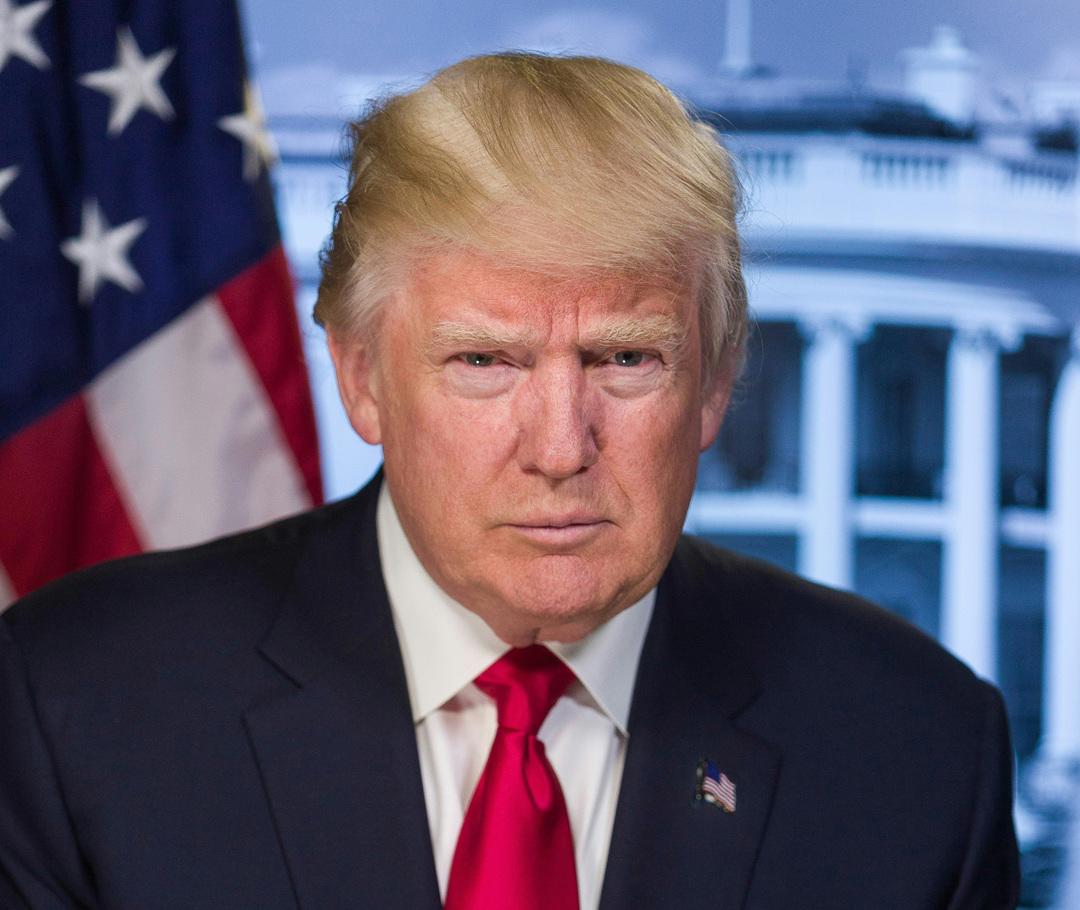
Restart the process for testing nuclear weapons
What’s happening
- On October 30, 2025, Reuters reported that Trump “ordered the U.S. military to immediately restart the process for testing nuclear weapons after a halt of 33 years”.
- According to the Associated Press, Trump has not clarified whether this means underground explosive nuclear tests (which the U.S. hasn’t done since 1992) or other forms of weapons/ delivery-system testing.
- Later, U.S. Energy Secretary Chris Wright clarified that the planned tests do not involve nuclear detonations for now — they will be non-explosive system component tests.
Why it matters / key concerns
- The announcement breaks with a decades-long U.S. moratorium on nuclear explosive testing and could have global escalatory implications, especially in relations with Russia and China.
- Experts emphasise the difference between “doing a test” of a delivery system or component vs. “detonating a warhead”. Many in the U.S. policy community suggest the latter would be highly destabilising.
- Legal/treaty implications: The U.S. has signed (but not ratified) the Comprehensive Nuclear‑Test‑Ban Treaty (CTBT), which prohibits all nuclear explosions. A full resumption of explosive testing could undermine non-proliferation norms.
Scam
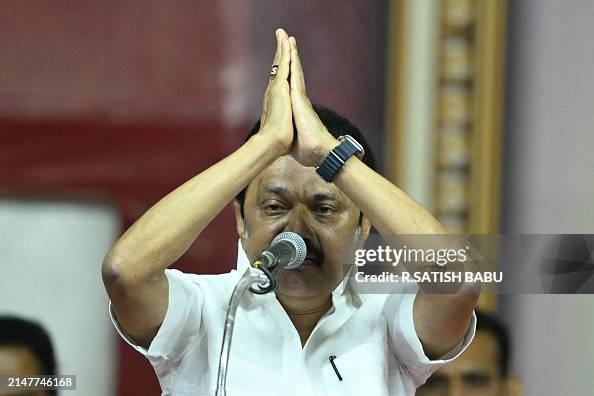
Cash-for-Jobs Scam (MAWS Dept)
- Who’s Accused
- The Enforcement Directorate (ED) has flagged a large-scale cash-for-jobs racket in Tamil Nadu’s Municipal Administration and Water Supply (MAWS) Department.
- The ED alleges that bribes of ₹25 lakh to ₹35 lakh per post were paid by candidates.
- The appointments in question include roles like Assistant Engineers, Junior Engineers, Town Planning Officers, etc.
- According to the ED, around 150 candidates (out of total 2,538 posts) who paid bribes were appointed.
- The ED also alleges exam manipulation - that the recruitment process was rigged and certain people had prior access to exam information.
- It is further claimed that the money was routed through hawala channels (i.e., illicit/unofficial money-transfer networks).
- The appointment letters for these posts were handed out on 6 August 2025, and the ED claims they were "handed over by Chief Minister M.K. Stalin."
- The ED has sent a 232-page dossier to Tamil Nadu police, reportedly with documents, WhatsApp chats, money trail, names, etc.
- Scale & Value
- Some political opponents (like BJP) are calling this an ₹888-crore scam, based on the number of posts and the bribe claimed per post.
- The Week (news outlet) also reports ~₹800 crore being claimed.
- Political Implications
- Opposition parties (AIADMK, BJP) are strongly criticizing Stalin and DMK.
- They demand a CBI (Central Bureau of Investigation) probe.
- The timing is politically sensitive, especially with assembly elections in view.
- ED’s Position / Ask
- The ED has asked the Tamil Nadu Police to file an FIR and begin a formal investigation.
- The allegations are made under money laundering (PMLA) context.
- Defense / Counter-Arguments
- The MAWS Minister K.N. Nehru (from DMK) has dismissed these claims: he says the recruitment was "completely transparent and fair."
- According to Nehru, Anna University conducted the exams (they are autonomous), implying the DMK government did not directly manipulate the test.
- Past Context
- There is a history of “cash-for-jobs” allegations in TN. For example, in a separate case involving former transport minister V. Senthil Balaji, the Supreme Court criticized the Stalin government for naming ~2,000 people as accused to delay the trial.
- So, this is not a completely new narrative in TN politics; there is precedent for such corruption claims.
Why This Is Significant
- Public Trust: If true, the scam undermines the integrity of government job recruitment, which is supposed to be meritocratic.
- Youth Employment: Many government job aspirants are young people; such a scandal could disproportionately hurt their trust in the system.
- Political Fallout: For Stalin and DMK, this could be a big liability, especially in election season.
- Legal / Criminal Risk: If an FIR is filed and investigation proceeds, there could be serious legal consequences (bribery, money-laundering, abuse of power).

Freedom of Expression
Balochistan Remark (2025)
The statement quickly went viral on social media, sparking debates about whether it was a deliberate political message or an inadvertent slip of the tongue. Some users lauded the comment as a subtle acknowledgment of Balochistan's distinct identity, while others criticized it as a provocative move.
Pakistani netizens expressed strong reactions, with many condemning the remark as divisive and harmful. Some speculated that the comment was strategically made to align with Indian narratives about Balochistan.
Morality
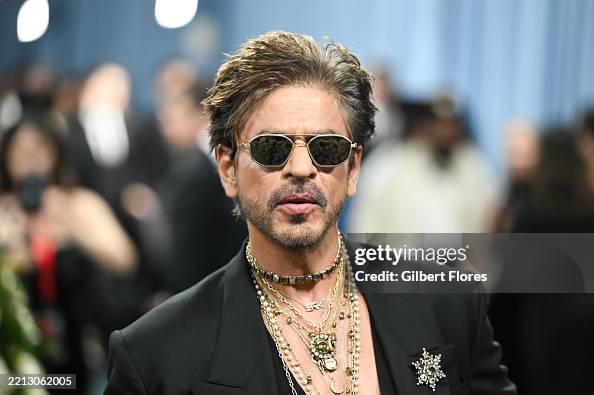
Shah Rukh Khan’s 'don’t stop my revenue' video resurfaces online following Dhruv Rathee's criticism of his paan masala endorsement.

Law & Order
Illegal Foreign Campaign Donations
- Foreign-source Donations (~US$13,000)
- According to campaign-finance records, Mamdani’s campaign received nearly US$13,000 from donors listing foreign addresses.
- The watchdog group Coolidge Reagan Foundation (CRF) filed criminal referrals alleging at least 161 contributions from foreign sources between December 2024 and September 2025.
- These donors reportedly listed addresses in Dubai, Australia, Turkey, France, Canada, Germany, and other countries.
- One specific donation flagged: US$500 from Mamdani’s mother-in-law in Dubai.
- Failure to Return Some Donations
- Of the flagged foreign donations, 88 contributions (totalling US$7,190) reportedly had not yet been refunded, according to campaign finance records.
- The campaign has said it will return any donations that are not in compliance with relevant campaign finance laws.
- Criminal Referrals Filed
- The CRF (Coolidge Reagan Foundation) has formally referred the matter to:
- U.S. Department of Justice (Criminal Division), citing potential violations of the Federal Election Campaign Act (FECA).
- Manhattan District Attorney Alvin Bragg, citing possible violations of New York election law (they mention “unlawful means” in influencing elections).
- CRF argues that this was not “clerical error” but a “sustained pattern” of foreign money flowing in.
- The CRF (Coolidge Reagan Foundation) has formally referred the matter to:
- Nature of the Donors
- According to CRF, many of the foreign donors could not be clearly verified as U.S. citizens or permanent residents.
- CRF’s president, Dan Backer, claims that some of the foreign sources might even be "tied to regions and individuals openly sympathetic to hostile actors."
- However, it’s also argued (by Mamdani’s camp) that not all foreign addresses = foreign nationals. Some donors could be U.S. citizens living abroad, which is legal under U.S. campaign finance law.
Legal / Regulatory Issues
- Under the Federal Election Campaign Act (FECA), it is unlawful to accept contributions from foreign nationals in U.S. elections.
- Local NYC campaign finance rules also restrict certain types of donations; the CRF alleges that campaign law was violated.
- Potential consequences (if violations are proven): fines, criminal charges, or other penalties. CRF is pushing for a criminal investigation.
Concerns / Criticisms
- Critics (like CRF) argue that returning the money after the fact doesn’t fully resolve the issue — the campaign “accepted” the funds in the first place, which itself may be a violation.
- There is concern over how thoroughly the vetting process was implemented. CRF calls the pattern “sustained,” suggesting it was not a one-off mistake.
- Some say it calls into question the integrity of the campaign, especially given the rule that “foreign nationals may not participate in American elections” via financial contributions.
Law & Order
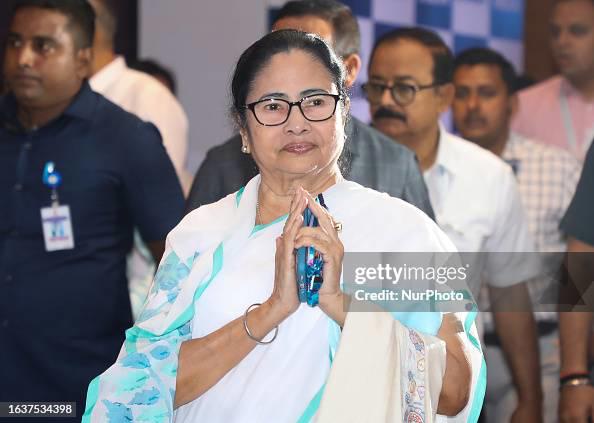
Mamata Banerjee Criticizes SIR Process, Warns Against Targeted Voter Deletions in Bengal
- Mamata Banerjee said she will not tolerate the deletion of voters belonging to any particular community during the SIR process in West Bengal
- She alleged that the timing and conduct of the revision—amid festival season and recent floods—are suspect and that legitimate voters, especially from vulnerable communities, could be unfairly excluded.
- She raised concerns that the process is being used as a “back-door” route for a National Register of Citizens-like outcome in Bengal, targeting certain sections of society.
Why it matters
- The SIR is meant to update and clean electoral rolls, but the allegation is that it could be misused to disenfranchise specific communities, which would raise serious questions about fairness and inclusivity in the electoral process.
- West Bengal is politically highly significant (with assembly elections approaching), and voter list revision controversies can influence electoral dynamics and trust in the process.
- Timing is a big part of Mamata’s critique: floods in parts of the state and major festivals mean many citizens may face difficulties in submitting required documentation. She argues the process should be inclusive and sensitive to ground realities.
Morality
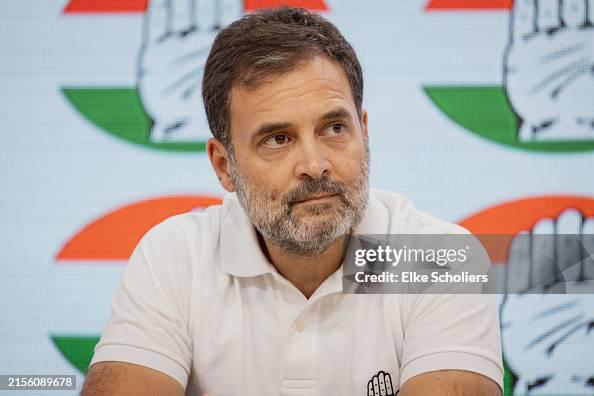
"Democracy Under Attack" - Remark
Religious Sentiments
Human Rights Violation
These concerns have been widely documented by rights groups like Amnesty International, Human Rights Watch (HRW), and the Bangladesh Hindu Buddhist Christian Unity Council (BHBCUC).
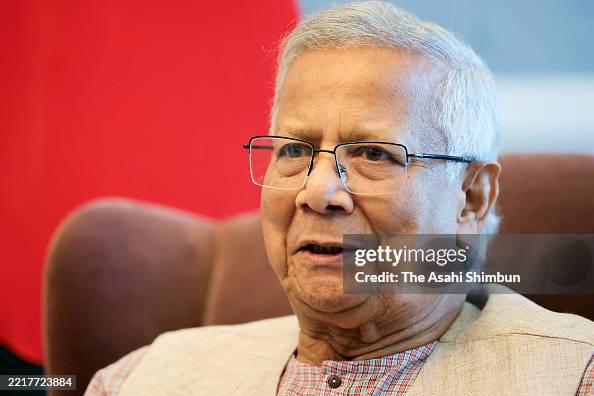
When Muhammad Yunus - a Nobel Peace Prize laureate and one of Bangladesh’s most respected figures - gave interviews downplaying or denying that such anti-minority violence existed, the backlash was strong.
What Yunus said (in brief)
In an interview with Zeteo in September 2024, Yunus stated:
There is no anti-Hindu violence in Bangladesh. These are fake news stories... one of India’s specialities is fake news.
He framed reported incidents as neighbourly disputes between Hindus and Muslims, rather than targeted attacks.
Why rights groups criticised him
- Denial of minority persecution
- Rights reports have detailed attacks on temples, homes, and businesses owned by Hindus and Buddhists, especially around elections.
- The BHBCUC stated that his remarks "distort reality and embolden perpetrators of violence."
- Denying the lived experience of victims, they said, silences vulnerable groups and erodes trust in justice systems.
- Undermining advocacy for protection
- When a prominent global figure like Yunus calls such violence "fake news," it risks delegitimising local activists who document abuses.
- Rights groups warned that this kind of rhetoric can make it harder for victims to be believed or protected.
- Political undertone
- Some interpreted his remarks as politically convenient for the government or groups wishing to present Bangladesh as free of sectarian conflict.
- Critics argued that this was a form of image management at the expense of truth and minority safety.
- Failure to uphold moral leadership
- Yunus is celebrated globally for peacebuilding and social justice (via microcredit and Grameen Bank).
- Activists felt that minimising discrimination contradicted the humanistic values he’s known for.
- As one op-ed put it:
When the voice that once uplifted the poor now dismisses the persecuted, it betrays the same principles it once defended.
- Impact on social harmony
- Bangladesh’s minorities often depend on moral and political support from civil society.
- Critics feared Yunus’ words could embolden perpetrators or discourage victims from reporting abuse.
Business
Legal Trouble Over Hyundai Car Endorsement
Society & Culture
'Girls should not be allowed to go outside of college at night': Mamata Banerjee on Durgapur gang-rape
Freedom of Expression
"Sikh" Comments in the US

Scam
ANDIS Bribery Scandal (2025)
Further investigations have revealed that Suizo Argentina coordinated the collection of bribes from other companies, with the total kickback amounting to 5% to 8% of the contract value. Karina Milei's alleged share was approximately 3%, translating to between $500,000 and $800,000 per contract.
The scandal has significantly damaged the Milei administration's anti-corruption credibility, especially given the involvement of a close family member in alleged misconduct related to contracts intended for vulnerable populations. The leaked recordings have led to public outrage and raised serious concerns about governance and transparency within the administration.

Freedom of Expression
Endorsement of the Rashtriya Swayamsevak Sangh (RSS) as "nation-builders"
The RSS is a Hindu-nationalist organisation, and critics argue that openly aligning the prime minister with it blurs the line between constitutional neutrality and partisan ideology in a secular democracy.
Opposition leaders said the praise was an insult to freedom fighters and to the idea of a plural India because many view the RSS as divisive.
The comments sparked debate over secularism, neutrality of the PM’s office, and the role of organisations like the RSS in governance.
Morality
Verbal Attacks on Political Opponents
Scam