
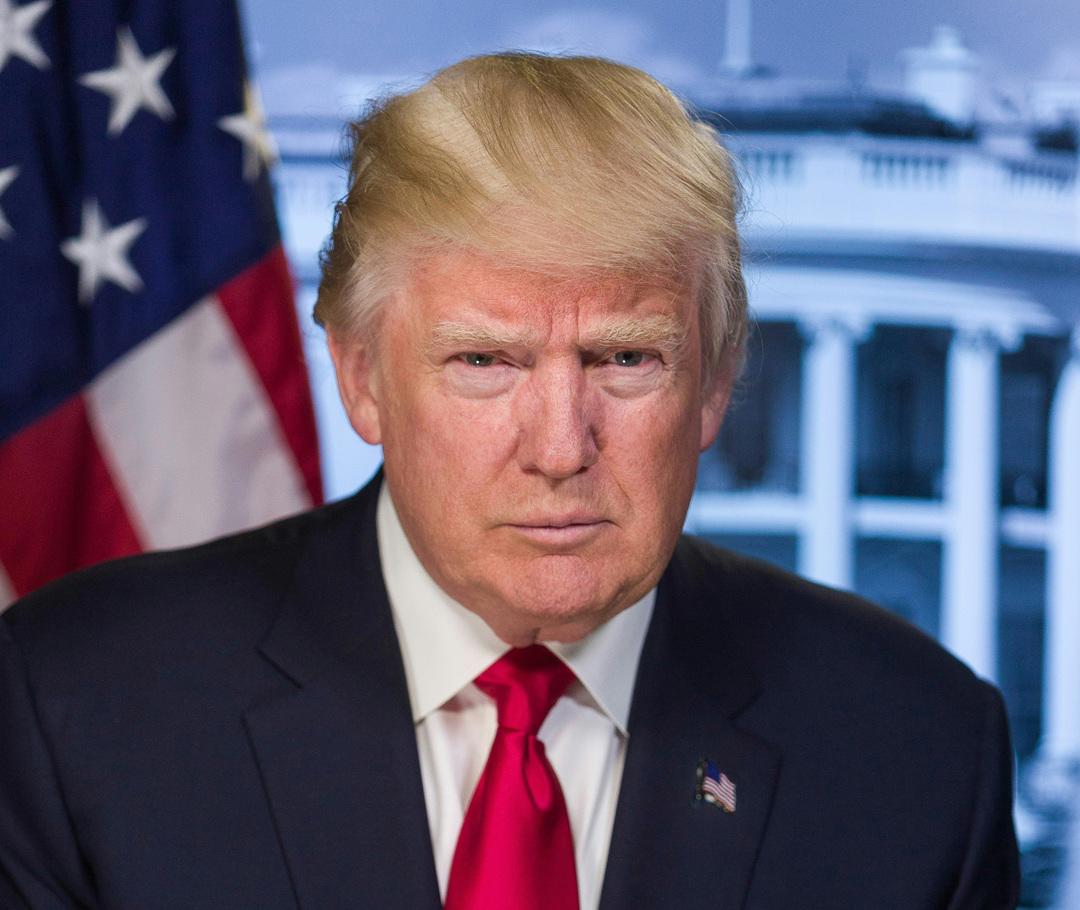
Donald Trump
45th and 47th U.S. President  United States
Restart the process for testing nuclear weapons
Trump has announced that the U.S. will resume “nuclear weapons testing” immediately. But what “testing” means in practical terms is still ambiguous. Officials say it will not include explosive nuclear detonations for now. The move signals a shift in U.S. nuclear policy, with potential ripple effects internationally.
What’s happening
- On October 30, 2025, Reuters reported that Trump “ordered the U.S. military to immediately restart the process for testing nuclear weapons after a halt of 33 years”.
- According to the Associated Press, Trump has not clarified whether this means underground explosive nuclear tests (which the U.S. hasn’t done since 1992) or other forms of weapons/ delivery-system testing.
- Later, U.S. Energy Secretary Chris Wright clarified that the planned tests do not involve nuclear detonations for now — they will be non-explosive system component tests.
Why it matters / key concerns
- The announcement breaks with a decades-long U.S. moratorium on nuclear explosive testing and could have global escalatory implications, especially in relations with Russia and China.
- Experts emphasise the difference between “doing a test” of a delivery system or component vs. “detonating a warhead”. Many in the U.S. policy community suggest the latter would be highly destabilising.
- Legal/treaty implications: The U.S. has signed (but not ratified) the Comprehensive Nuclear‑Test‑Ban Treaty (CTBT), which prohibits all nuclear explosions. A full resumption of explosive testing could undermine non-proliferation norms.
Deportation of U.S. Students for Protesting
Key cases & developments
- A student at Columbia University, Mahmoud Khalil, a legal permanent resident, was arrested by U.S. immigration agents and placed in deportation proceedings after his campus activism (pro‑Palestinian protests).
- Another student, Yunseo Chung, a junior at Columbia and a U.S. permanent resident, is also facing deportation for protest‑related conduct according to the Department of Homeland Security (DHS).
- It’s reported that hundreds to over a thousand international students have had their visas revoked or been placed at risk, especially linked to campus protests about the Israel‑Gaza war.
- Private groups and alumni networks are reportedly contributing to this by tracking and reporting students who participated in protests for possible deportation.
- A major executive order, Executive Order 14188 (signed Jan 29, 2025) by Donald Trump, aimed at combating antisemitism on campuses, included targeting “alien students and staff” for monitoring and possible action.
Why this matters
- Freedom of speech & assembly: These actions raise serious questions about whether non‑citizen students are being penalised for political expression, protest, or campus activism. Groups like Human Rights Watch say the crackdown is "an attack on free speech and threaten[s] the very foundations of a free society."
- Due process & equal protection: Some students are facing visa revocations, detention, or deportation without clear charges, criminal convictions, or transparent process. Amnesty International and other human‑rights organisations have issued alerts.
- Impact on higher education & global students: International students are increasingly worried that participation in protest or even social‑media commentary might jeopardise their stay in U.S. universities.
- Policy precedent & chilling effect: If students fear protest = deportation, that may deter valid political expression, especially from non‑citizen communities, raising broader concerns about academic freedom and civil liberties.
LONG LIVE THE KING!
What happened
- Trump posted on his platform (Truth Social) the message:
CONGESTION PRICING IS DEAD. Manhattan, and all of New York, is SAVED. LONG LIVE THE KING!
- The post followed his administration’s decision (via the U.S. Department of Transportation) to rescind federal approval of New York City’s congestion‑pricing toll program.
- The official White House social‑media account amplified the message and a computer‑generated image of Trump wearing a golden crown on a mock "Time" magazine cover.
The backlash
- Many political figures responded strongly. For example:
- New York Governor Kathy Hochul said: "We are a nation of laws, not ruled by a king."
- City Council member Justin Brannan said: "No matter what … Donald Trump made with the Mayor, he isn’t king."
- Other voices: "We don’t have kings in the USA."
- Coverage remarks that Trump’s self‑label as “king” triggered concerns about executive overreach and the symbolic meaning of such a statement.
Why this matters
- Symbolism & tone: Declaring oneself “king” in a democratic republic raises alarms about the executive’s view of power and governance norms.
- Legal/constitutional implications: While the statement alone doesn’t change law, it reflects how the President (or his team) chooses to frame their role and decisions.
- Public trust & precedent: Such messaging may influence how people view checks and balances, especially when accompanied by bold policy moves.
- Political fallout: The remark gives fodder to opponents, may energize protests/activism, and shape media narratives.
2020 – 2021 : Pardon & Cronyism Controversies
Early December 2020 — "Bribery for pardon" investigation revealed
On December 2, 2020, media reported that the U.S. Department of Justice (DOJ) was investigating a potential scheme in which a convicted individual allegedly offered a "substantial political contribution in exchange for a presidential pardon or sentence reprieve."
Also in early December 2020, it was reported that Trump had discussed pre-emptive pardons for family members and close associates (e.g., his adult children, Jared Kushner, Rudy Giuliani).
These reports mark one of the first major public exposures of potential misuse of the pardon power tied to cronyism / influence-peddling.
December 22-23, 2020: Wave of pardons & commutations issued
January 20, 2021: Final flurry of clemency and headline-making analysis
On December 2, 2020, media reported that the U.S. Department of Justice (DOJ) was investigating a potential scheme in which a convicted individual allegedly offered a "substantial political contribution in exchange for a presidential pardon or sentence reprieve."
Also in early December 2020, it was reported that Trump had discussed pre-emptive pardons for family members and close associates (e.g., his adult children, Jared Kushner, Rudy Giuliani).
These reports mark one of the first major public exposures of potential misuse of the pardon power tied to cronyism / influence-peddling.
December 22-23, 2020: Wave of pardons & commutations issued
January 20, 2021: Final flurry of clemency and headline-making analysis
Ukraine scandal
Key Events
- The July 25, 2019 phone call
- Trump called Zelensky, requesting investigations into the Bidens and a debunked conspiracy theory about 2016 U.S. election interference.
- A whistleblower complaint raised concerns about abuse of power and potential quid pro quo: withholding military aid in exchange for a political investigation.
- Withholding military aid
- Trump temporarily blocked $391 million in congressionally approved military aid to Ukraine, raising concerns that it was leveraged for personal political benefit.
- Congressional inquiry & obstruction
- When Congress launched an investigation, the Trump administration limited witnesses and documents, which led to allegations of obstruction of Congress.
- Several administration officials testified under subpoena despite resistance from the White House.
Impeachment
- Articles of Impeachment (December 2019):
- Abuse of power – Using the office to solicit foreign interference in a U.S. election.
- Obstruction of Congress – Defying subpoenas and refusing to cooperate with the impeachment inquiry.
- House of Representatives: Passed both articles of impeachment (Party-line vote: mostly Democrats in favor, Republicans opposed).
- Senate trial: February 2020
- Trump was acquitted on both charges, largely along party lines.
- No Republican senators voted to convict, so he remained in office.
Significance
- This was the first time Trump was impeached, highlighting the tension between executive power and congressional oversight.
- It set precedent for legal and political debates around foreign interference and presidential accountability.
- The scandal also intensified partisan divisions ahead of the 2020 election.
2018 – 2020 : Hush-Money & Financial Misconduct
January 12, 2018: The Wall Street Journal published the first major public report that Michael Cohen paid $130,000 to Stormy Daniels (Stephanie Clifford) in October 2016. That article is the clearest start date for public exposure of the hush-money scheme.
April 9, 2018: FBI executed search warrants and raided Michael Cohen’s home, hotel and office; agents seized records said to relate to the Daniels payment and other matters. That raid materially expanded public knowledge and produced records later used in prosecutions.
August 21, 2018: Michael Cohen pleaded guilty in federal court (SDNY) to eight counts including campaign-finance violations and admitted making payments in 2016 “in coordination with and at the direction of” a candidate to influence the election. (DOJ / SDNY press release)
December 2018: American Media, Inc. (publisher of the National Enquirer) and its CEO David Pecker acknowledged “catch-and-kill” activity to suppress stories (payments/arrangements to bury stories about Trump), which fed into the wider hush-money / election-influence picture.
ebruary 27, 2019: Michael Cohen’s public congressional testimony (House Oversight) reiterated that Trump directed some payments and described financial practices that prompted further probes. Cohen’s testimony (and supporting documents) helped spur state inquiries.
March 2019 (investigation opened): Following Cohen’s testimony and related material, New York Attorney General Letitia James began a civil probe of the Trump Organization’s financial practices (asset valuations, insurance/loan disclosures). James later disclosed the probe publicly (August 2020 filings).
April 9, 2018: FBI executed search warrants and raided Michael Cohen’s home, hotel and office; agents seized records said to relate to the Daniels payment and other matters. That raid materially expanded public knowledge and produced records later used in prosecutions.
August 21, 2018: Michael Cohen pleaded guilty in federal court (SDNY) to eight counts including campaign-finance violations and admitted making payments in 2016 “in coordination with and at the direction of” a candidate to influence the election. (DOJ / SDNY press release)
December 2018: American Media, Inc. (publisher of the National Enquirer) and its CEO David Pecker acknowledged “catch-and-kill” activity to suppress stories (payments/arrangements to bury stories about Trump), which fed into the wider hush-money / election-influence picture.
ebruary 27, 2019: Michael Cohen’s public congressional testimony (House Oversight) reiterated that Trump directed some payments and described financial practices that prompted further probes. Cohen’s testimony (and supporting documents) helped spur state inquiries.
March 2019 (investigation opened): Following Cohen’s testimony and related material, New York Attorney General Letitia James began a civil probe of the Trump Organization’s financial practices (asset valuations, insurance/loan disclosures). James later disclosed the probe publicly (August 2020 filings).
Mueller probe
Background
- Special Counsel: Robert Mueller was appointed in May 2017 to investigate:
- Russian interference in the 2016 presidential election.
- Any links or coordination between Trump’s campaign and Russian actors.
- Any matters arising directly from the investigation, including potential obstruction of justice.
- Context: Trump repeatedly criticized the investigation, calling it a "witch hunt," and took several actions that raised questions about obstruction.
Key Alleged Obstruction Incidents
- Firing of FBI Director James Comey (May 2017)
- Trump dismissed Comey, who was leading the Russia investigation.
- In a private meeting, Trump reportedly told Comey to “let go” of the investigation into Michael Flynn.
- Mueller cited this in his report as a potential obstruction attempt.
- Attempts to Remove Mueller
- Reports revealed that Trump considered firing Mueller in June 2017 and in December 2017, but was dissuaded by White House counsel and others.
- Pressuring Officials to Influence Testimony
- Trump allegedly tried to influence the testimony of:
- White House Counsel Don McGahn (urged him to fire Mueller).
- Michael Flynn and other aides, regarding statements they made to investigators.
- Trump allegedly tried to influence the testimony of:
- Public and Private Statements
- Trump made statements attempting to discredit the investigation publicly, which Mueller considered as part of obstruction analysis.
Mueller Report Findings (March 2019)
- No charge due to DOJ policy: Mueller did not charge Trump with a crime, citing the Department of Justice policy that a sitting president cannot be indicted.
- Detailed analysis of 10 potential obstruction episodes: Mueller documented instances where Trump’s conduct could be considered obstruction of justice but did not exonerate him.
- Key Quote: "While this report does not conclude that the President committed a crime, it also does not exonerate him."
Grab them by the pussy
What it is
The remark comes from a privately recorded 2005 conversation between Donald Trump and Access Hollywood host Billy Bush; the tape was published on October 7, 2016.
What Trump said and his response
On the tape Trump brags that, as a star, "you can do anything… grab ’em by the pussy," a phrase many commentators described as describing non‑consensual sexual conduct. Trump later apologized and called it “locker room talk,” while also at times disputing aspects of the reporting.
Immediate political and cultural fallout
The tape provoked wide condemnation across parties, led to Billy Bush’s firing from NBC, and intensified public debate about sexual misconduct and power. It spurred protest movements and online campaigns (e.g., #PussyGrabsBack, #GrabYourWallet) and became a major flashpoint in the 2016 campaign.
Longer‑term significance
The recording has been cited in later legal contexts (for example, allowed as evidence in civil litigation) and factored into cultural and political discussions about consent, power, and accountability. It also helped galvanize activism that led to large protests such as the 2017 Women’s March.
They're bringing drugs. They're bringing crime. They're rapists.
That statement is a direct reference to a controversial remark made by Donald Trump during his 2015 presidential campaign. He said it about some Mexican immigrants, framing immigration in terms of crime and moral threat.
Context
- When: June 16, 2015, during Trump’s campaign announcement speech in New York.
- What he said: He described some immigrants coming from Mexico as people "bringing drugs, bringing crime, they’re rapists, and some, I assume, are good people."
- Reaction: Immediate widespread backlash from political leaders, media, and civil rights organizations. Many criticized the remark as racist and inflammatory.
Consequences & Impact
- Political polarization: The comment solidified Trump’s support among certain voter bases while galvanizing strong opposition.
- Media coverage: It dominated national and international headlines, shaping early narratives of Trump’s candidacy.
- Immigration debate: It intensified discussions on border security, immigration policy, and the rhetoric used in political campaigns.