
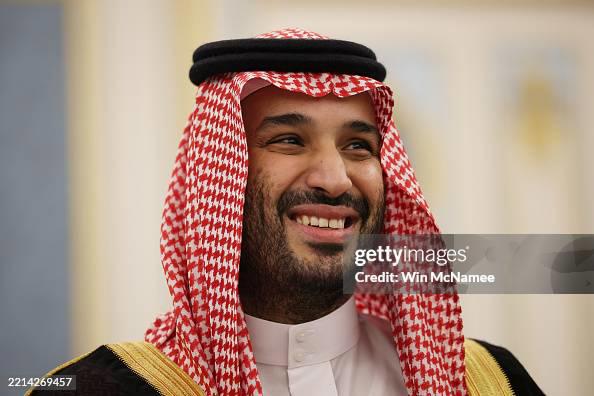
Mohammed bin Salman Al Saud
Prime Minister of Saudi Arabia 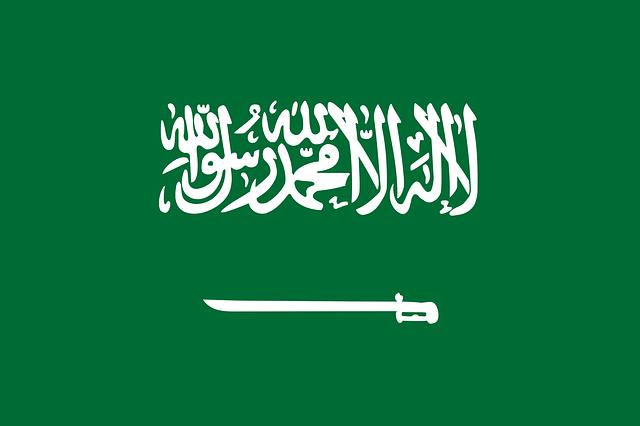 Saudi Arabia
Jamal Khashoggi Murder and Accountability
Jamal Khashoggi, a Saudi journalist and Washington Post columnist, was murdered on October 2, 2018, inside the Saudi consulate in Istanbul, Turkey. His death drew widespread international condemnation and led to calls for accountability at the highest levels of the Saudi government.
October 2, 2018: Khashoggi entered the Saudi consulate in Istanbul to obtain documents for his upcoming marriage. He was killed inside the consulate, and his body was dismembered. Initial Saudi denials gave way to shifting explanations, eventually acknowledging the murder was premeditated.
November 2018: The CIA concluded with "medium to high confidence" that Crown Prince Mohammed bin Salman (MBS) ordered the assassination. The U.S. Office of the Director of National Intelligence (ODNI) later assessed that MBS approved the operation, citing his control over Saudi Arabia's security and intelligence apparatus.
December 23, 2019: A Saudi court sentenced five individuals to death and three others to prison for their roles in the murder. However, the trial was widely criticized as a "whitewash," with many believing that the real masterminds, including MBS, were not held accountable.
February 26, 2021: A declassified U.S. intelligence report concluded that MBS approved the operation to kill or capture Khashoggi, reinforcing earlier assessments.
October 2, 2025: On the seventh anniversary of Khashoggi's murder, advocacy groups like DAWN reiterated calls for accountability, emphasizing that impunity for such acts encourages further repression.
October 2, 2018: Khashoggi entered the Saudi consulate in Istanbul to obtain documents for his upcoming marriage. He was killed inside the consulate, and his body was dismembered. Initial Saudi denials gave way to shifting explanations, eventually acknowledging the murder was premeditated.
November 2018: The CIA concluded with "medium to high confidence" that Crown Prince Mohammed bin Salman (MBS) ordered the assassination. The U.S. Office of the Director of National Intelligence (ODNI) later assessed that MBS approved the operation, citing his control over Saudi Arabia's security and intelligence apparatus.
December 23, 2019: A Saudi court sentenced five individuals to death and three others to prison for their roles in the murder. However, the trial was widely criticized as a "whitewash," with many believing that the real masterminds, including MBS, were not held accountable.
February 26, 2021: A declassified U.S. intelligence report concluded that MBS approved the operation to kill or capture Khashoggi, reinforcing earlier assessments.
October 2, 2025: On the seventh anniversary of Khashoggi's murder, advocacy groups like DAWN reiterated calls for accountability, emphasizing that impunity for such acts encourages further repression.
Women's rights activist Loujain al-Hathloul was arrested, tortured, and imprisoned for campaigning for women's rights.
Loujain al-Hathloul, a prominent Saudi women's rights activist, was arrested on May 15, 2018, along with several other activists, including Eman al-Nafjan, Aziza al-Yousef, and Aisha al-Mana. They were detained in Dhahban Central Prison, where they reportedly endured various forms of torture, including electric shocks and solitary confinement. Al-Hathloul was initially held incommunicado for 35 days before being formally charged.
In December 2020, a Saudi terrorism court sentenced al-Hathloul to five years and eight months in prison, with two years and 10 months of the sentence suspended. The charges were related to her peaceful activism, including advocating for women's right to drive and challenging the male guardianship system.
After nearly three years in detention, al-Hathloul was released on February 10, 2021. However, she remained under a travel ban, preventing her from leaving Saudi Arabia.
In December 2020, a Saudi terrorism court sentenced al-Hathloul to five years and eight months in prison, with two years and 10 months of the sentence suspended. The charges were related to her peaceful activism, including advocating for women's right to drive and challenging the male guardianship system.
After nearly three years in detention, al-Hathloul was released on February 10, 2021. However, she remained under a travel ban, preventing her from leaving Saudi Arabia.
Social Media Crackdowns in Saudi Arabia
Over the past several years, Saudi authorities have intensified surveillance and control over online activity. Many social media users - including journalists, academics, clerics, and ordinary citizens - have faced detention or harsh sentences for online posts critical of the government.
Since around 2017, dozens of Twitter and X (formerly Twitter) users have been arrested. Posts questioning government policies, social reforms, or foreign policy moves have been labeled as threats to state security or national unity.
Charges Commonly Used: "Undermining state security", "Spreading false information", "Supporting terrorism or hostile parties", "Insulting the leadership".
Salma al-Shehab, a Saudi academic, was sentenced to 27 years in prison (later reduced) for retweeting dissident content.
Manahel al-Otaibi, a women’s rights activist, was detained for her social media posts advocating gender equality.
Several anonymous Twitter accounts believed to be critical of the royal family have been tracked and shut down.
Since around 2017, dozens of Twitter and X (formerly Twitter) users have been arrested. Posts questioning government policies, social reforms, or foreign policy moves have been labeled as threats to state security or national unity.
Charges Commonly Used: "Undermining state security", "Spreading false information", "Supporting terrorism or hostile parties", "Insulting the leadership".
Salma al-Shehab, a Saudi academic, was sentenced to 27 years in prison (later reduced) for retweeting dissident content.
Manahel al-Otaibi, a women’s rights activist, was detained for her social media posts advocating gender equality.
Several anonymous Twitter accounts believed to be critical of the royal family have been tracked and shut down.
Yemen Conflict
The Saudi-led military intervention in Yemen commenced on March 26, 2015, following a request from Yemeni President Abdrabbuh Mansur Hadi after he was ousted from the capital, Sanaa, by Houthi insurgents in September 2014. The intervention, initially codenamed Operation Decisive Storm, aimed to restore Hadi's government and counter the Houthi rebels, who were perceived as aligned with Iran, thus intensifying the regional Sunni-Shia proxy conflict
March 26, 2015: Saudi Arabia, leading a coalition of nine countries including Egypt, Morocco, Jordan, Sudan, and the United Arab Emirates, launched airstrikes and imposed a naval blockade on Houthi-controlled areas. The coalition's military operations were supported by the United States, United Kingdom, France, Germany, and Canada, which provided intelligence, logistical support, and arms supplies.
April 22, 2015: The coalition declared the initial goals of Operation Decisive Storm achieved and announced the commencement of Operation Restoring Hope, which combined military action with political and humanitarian efforts to stabilize Yemen.
Ground Operations: Subsequent to the air campaign, ground forces were deployed to engage Houthi militants and forces loyal to former President Ali Abdullah Saleh, further complicating the conflict dynamics.
Humanitarian Impact: The intervention has led to significant civilian casualties and widespread displacement. Airstrikes have targeted civilian infrastructure, including health facilities, markets, and schools, raising concerns about compliance with international humanitarian law.
International Response: The United Nations and various human rights organizations have condemned the humanitarian crisis resulting from the conflict. Efforts to broker peace have been ongoing, but a comprehensive resolution remains elusive.
March 26, 2015: Saudi Arabia, leading a coalition of nine countries including Egypt, Morocco, Jordan, Sudan, and the United Arab Emirates, launched airstrikes and imposed a naval blockade on Houthi-controlled areas. The coalition's military operations were supported by the United States, United Kingdom, France, Germany, and Canada, which provided intelligence, logistical support, and arms supplies.
April 22, 2015: The coalition declared the initial goals of Operation Decisive Storm achieved and announced the commencement of Operation Restoring Hope, which combined military action with political and humanitarian efforts to stabilize Yemen.
Ground Operations: Subsequent to the air campaign, ground forces were deployed to engage Houthi militants and forces loyal to former President Ali Abdullah Saleh, further complicating the conflict dynamics.
Humanitarian Impact: The intervention has led to significant civilian casualties and widespread displacement. Airstrikes have targeted civilian infrastructure, including health facilities, markets, and schools, raising concerns about compliance with international humanitarian law.
International Response: The United Nations and various human rights organizations have condemned the humanitarian crisis resulting from the conflict. Efforts to broker peace have been ongoing, but a comprehensive resolution remains elusive.
Blogger sentenced to 10 years in prison and 1,000 lashes for "insulting Islam."
Raif Badawi is a Saudi blogger and human rights activist who gained international attention for his arrest and subsequent sentencing due to his online writings advocating for freedom of expression and social reform in Saudi Arabia.
Born on January 13, 1984, in Khobar, Saudi Arabia, Badawi co-founded the website Free Saudi Liberals in 2008, aiming to promote open discussion on political and religious issues. In June 2012, he was arrested on charges of "insulting Islam through electronic channels" and later accused of apostasy, a crime punishable by death in Saudi Arabia. However, he recited the Shahada (Islamic declaration of faith) in court, affirming his Muslim identity and avoiding the death sentence.
In July 2013, a Saudi court sentenced Badawi to seven years in prison and 600 lashes for insulting Islam and violating the anti-cybercrime law. In May 2014, an appeals court increased his sentence to 10 years in prison, 1,000 lashes, a fine of 1 million Saudi riyals (approximately USD 267,000), and a 10-year travel and media ban following his release.
Born on January 13, 1984, in Khobar, Saudi Arabia, Badawi co-founded the website Free Saudi Liberals in 2008, aiming to promote open discussion on political and religious issues. In June 2012, he was arrested on charges of "insulting Islam through electronic channels" and later accused of apostasy, a crime punishable by death in Saudi Arabia. However, he recited the Shahada (Islamic declaration of faith) in court, affirming his Muslim identity and avoiding the death sentence.
In July 2013, a Saudi court sentenced Badawi to seven years in prison and 600 lashes for insulting Islam and violating the anti-cybercrime law. In May 2014, an appeals court increased his sentence to 10 years in prison, 1,000 lashes, a fine of 1 million Saudi riyals (approximately USD 267,000), and a 10-year travel and media ban following his release.